What January’s Storms Taught Us — Yard Lessons, Weather Reality & Working Smarter Next Time
January certainly made itself known this year. Weeks of heavy rain, back-to-back storms, saturated ground and relentless wind turned yards, farms and stables across the UK into full winter survival mode. It was the kind of month that tests infrastructure, routines — and clothing — all at once.
For those of us who work outdoors, there’s always something useful to take away from a tough weather month. So instead of just saying “that was grim,” here’s a practical look back at what January taught us — and how we can be better prepared next time.
Because if there’s one guarantee with British weather, it’s that we’ll see it all again.
Lesson 1: Drainage Is More Important Than We Think
The biggest pattern we saw this January wasn’t just rainfall — it was where the water ended up.
Many yards discovered:
-
Gutters that couldn’t cope
-
Downpipes draining into walkways
-
Gateways becoming permanent bog zones
-
Stable fronts taking wind-driven rain
-
Feed rooms slowly absorbing moisture
The takeaway? Drainage isn’t a “summer job.” It’s a year-round priority.
What to do going forward:
-
Walk your yard during heavy rain and map water flow
-
Upgrade weak gutter sections early
-
Redirect downpipes away from entrances
-
Install gravel channels in repeat puddle areas
-
Keep a stock of quick-deploy matting or hardcore
Small water management fixes prevent big repair bills.
Lesson 2: Gateways Fail First — Plan for Them
If one area took the worst punishment, it was gateways and high-traffic entrances. Constant movement plus standing water equals churned ground fast.
The yards that held up best had:
-
Rubber matting at entrances Mud Mats do a fabulous job at keeping mud at bay and surfaces stable.
-
Sacrificial stone or planings (there are many local suppliers, often advertising on local marketplaces and facebook
-
Rotated access routes
-
Temporary surface layers ready to deploy
Planning for wear points — instead of reacting to them — saves both time and ankles.
Lesson 3: Stored Supplies Need Storm Strategy
January exposed a common weak spot: stored bedding and feed.
Even well-roofed areas suffered from:
-
Wind-blown rain
-
Floor moisture creep
-
Condensation build-up
-
Split sacks absorbing damp
Best practice going forward:
-
Store bedding on pallets, never directly on floors
-
Keep a sealed “dry reserve”
-
Use lidded bins instead of bags
-
Fit door brush strips to feed rooms
-
Add moisture absorbers in enclosed stores
Lesson 4: Clothing Isn’t Just Comfort — It’s Productivity
One of the clearest January lessons? The wrong clothing slows everything down.
When you’re wet:
-
Jobs take longer
-
Focus drops
-
Dexterity reduces
-
Breaks increase
-
Frustration rises
Proper waterproof outerwear and smart layering didn’t just keep people more comfortable — it kept them more efficient.
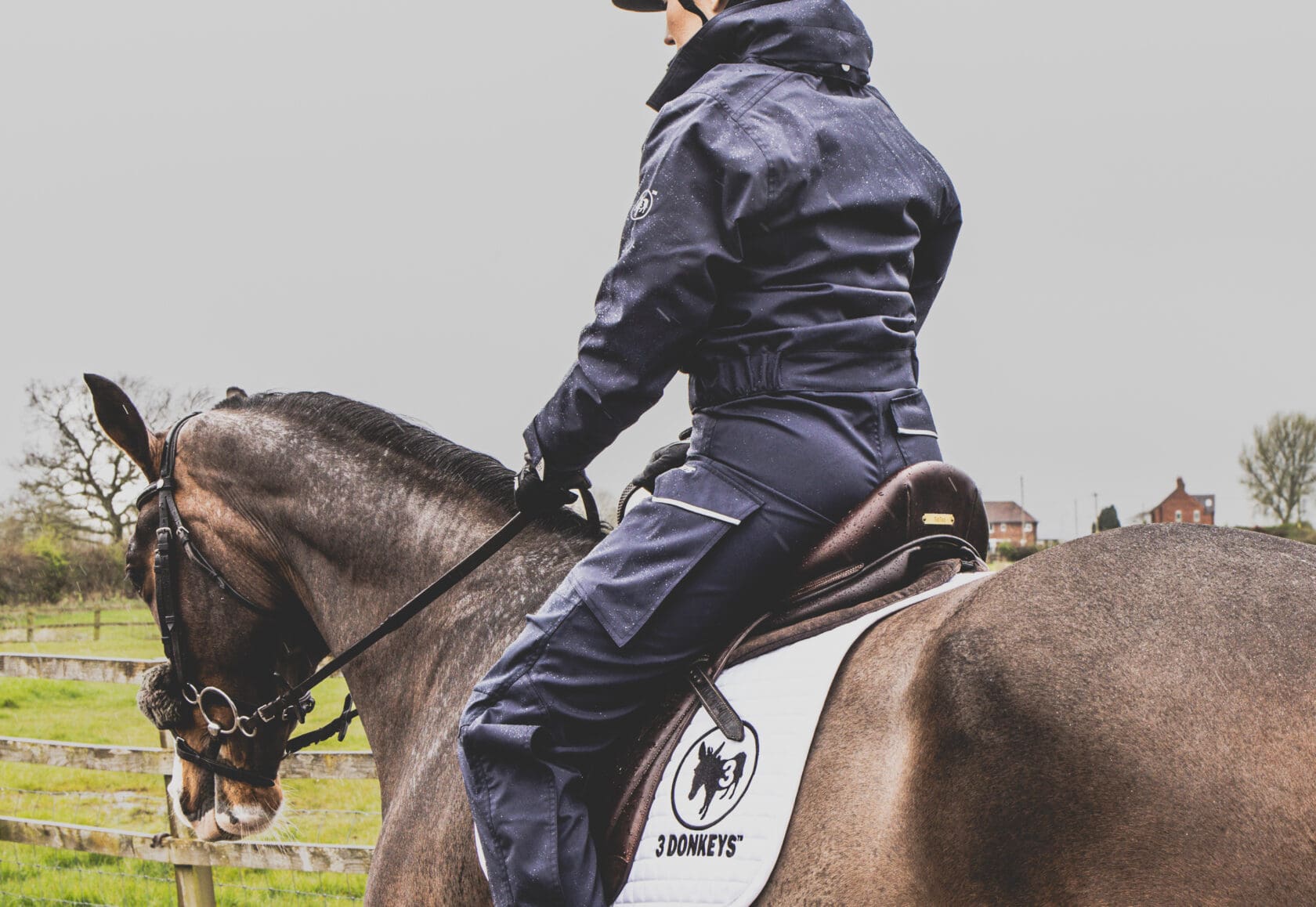
The biggest feedback we hear every winter is that easy-access waterproof systems matter more than people expect. When gear is hard to manage, people delay breaks, cut corners, or get colder than they should. Practical design makes a real difference across a full storm day — which is exactly why our 2to1® coveralls were created for real working conditions, not fair-weather use.
Lesson 5: Layering Beats Bulk
January reinforced a simple truth: thick isn’t always warm — dry is warm.
Best performing combinations were:
-
Moisture-wicking base layers
-
Breathable insulation layers
-
Proper waterproof shells
-
Windproof outer protection
- Our Exmoor 2to1® were made for bad weather and being out in all elements!
Worst performers:
-
Heavy cotton hoodies
-
Thick non-breathable layers
-
“Showerproof” outerwear in storm conditions
Build a system — not just an outfit.
Lesson 6: Storm Workflow Matters
The most resilient yards weren’t working harder — they were working smarter.
Common smart adaptations included:
-
Pre-staging tools under cover
-
Filling haynets in dry windows
-
Grouping outdoor tasks
-
Doing storm walks before chores
-
Fixing small issues immediately
-
Keeping one guaranteed dry clothing set
- Keep useful items to hand to save both time and energy, for example fill buckets using a hose with an automatic shut off to stop overflowing. Such as a SealStop attachment
Preparation reduces exposure time — and that protects both people and animals.
Lesson 7: Weather Is Part of the Job — But Misery Doesn’t Have to Be
Outdoor work will always involve weather. But unnecessary discomfort usually comes from gaps in systems, kit or planning — not the rain itself.
January reminded us that:
-
Infrastructure matters
-
Clothing design matters
-
Drainage matters
-
Workflow matters
-
Practicality always win
Lesson 8: Weather Warnings Only Work If You Act on Them
One of the most useful — and often ignored — tools we have is the weather warning system. January delivered multiple yellow and amber warnings across the UK, yet many of us still found ourselves thinking, “It’ll probably be fine.”
Sometimes it is. But when it isn’t, preparation time is what you miss most.
Weather warnings aren’t about panic — they’re about planning windows.
Use warnings as action triggers, not just information:
Yellow warning — prepare 🟨
-
Secure loose items around yards and fields
-
Check gutters and drains
-
Move bedding and feed away from exposed walls
-
Charge torches and power banks
-
Lay mats in known problem areas
Amber warning — protect 🟧
-
Close off vulnerable turnout areas
-
Reinforce stable fronts and doors
-
Cancel non-essential yard jobs
-
Stage waterproof clothing and spare dry layers
-
Park vehicles away from trees and weak structures
Red warning — minimise exposure 🟥
-
Reduce movement and handling where safe to do so
-
Prioritise essential animal care only
-
Keep people indoors where possible
-
Work in pairs if outdoor checks are required
Treat warnings like you would a yard risk assessment — early action changes outcomes.
The January Takeaway
January didn’t just bring storms — it brought reminders. About preparation. About practicality. About the value of good systems and proper kit.
Better drainage, better routines, better clothing, better response to warnings — all add up to safer, more manageable winter working.
And if your gear, your yard setup and your workflow are built for the worst days — everything else feels easier.
Stay dry. Stay prepared. Keep going and keep up to date with the Met Office
3 Donkeys, every product we design is built around that exact reality — real weather, real mud, real working days. Not studio conditions. Not theory. Proper use.
-